
Joining Research Forces to Meet Challenges in Ocean Management
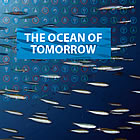 Seas and oceans have a huge impact on our daily lives, providing an essential part of our wealth and well-being. They are not only a critical source of food, energy and resources, but also provide the majority of Europe’s trade routes and play a key role in climate regulation. The value of living by the sea, while intangible, is high to many of us. However, the impact of human activities on the marine environment keeps increasing. Maritime transport, offshore energy, tourism, coastal development, resource extraction, fisheries and aquaculture are examples of activities which can have a major impact on the marine environment, putting at risk marine ecosystems. Science and technology have a vital role to play to preserve the marine environment as well as to support the “Blue Growth” and unlock the great economic potential of our seas and oceans. It is a key component to foster the ‘Europe 2020’2 goal of a smart, inclusive and sustainable growth.
A key FP7 initiative in this context is the launch of “The Ocean of Tomorrow” (FP7-OCEAN) crossthematic calls. The “Ocean of Tomorrow” aims to foster multidisciplinary approaches and crossfertilisation between various scientific disciplines and economic sectors on key cross-cutting marine and maritime challenges. Another key feature is the participation of business partners, in particular SMEs, in the research projects that are funded. This brochure presents the 19 projects selected under “The Ocean of Tomorrow” so far.
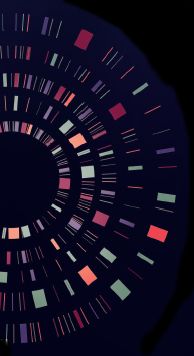
 The oceans are full of bacteria. Outwardly, they all look much the same, but there are many different species living a variety of ways of life. This has led Hanno Teeling, Bernhard Fuchs and Frank Oliver Glöckner from the Max Planck Institute for Marine Microbiology in Bremen to analyze bacterial diversity in the oceans with the aid of metagenomics. To do this, they first throw the whole bacterial genome into one pot, then decode the DNA molecules and sort the genetic mix back into individual bacterial groups.
 Artikel zur Rolle der mikrobiellen Genomik in der Biodiversitätsforschung